

When it comes to maintaining the beauty and durability of your block paving, driveway surfaces, or paving stones, the choice between spraying or rolling paver sealer can make all the difference. But which method truly reigns supreme? Prepare to uncover the answer to this age-old question as we delve into the secrets of paving stone maintenance.
According to our expert source, both spraying and rolling are common techniques for applying brick paver sealant. However, the source expresses a clear preference for the spraying method, as it allows for a generous application that thoroughly soaks into the sand joints.
In contrast, rolling can sometimes push the joint sand over the top of the brick pavers, potentially compromising the overall finish. While sealer companies may recommend specialised rollers, our source admits to not finding a truly satisfactory one for the task.
Understanding Spray vs. Roll Application for Paver Sealers
When it comes to applying paver sealers, both spraying and rolling offer distinct advantages and considerations. The spraying method, as explained by the first source, allows for a generous and effortless coverage, provided the sealer is applied on a windless day.
This technique ensures the sealer can effectively soak into the sand joints, creating a more uniform and durable finish.
However, the source notes a practical challenge: the lack of high-quality, dedicated brick paver sealer sprayers. As a result, contractors often resort to using cheap and disposable “pump” garden sprayers, which require meticulous cleaning after each use to prevent the sealer from hardening and damaging the equipment.

| Application Method | Advantages | Drawbacks |
|---|---|---|
| Spraying | Generous, effortless coverage Allows sealer to soak into sand joints | Lack of high-quality sprayers Requires thorough cleaning of equipment |
| Rolling | Easier to control application Readily available tools | Can roll sand over top of pavers May not achieve complete joint coverage |
Ultimately, the choice between spraying and rolling paver sealers may depend on the specific sealer being used, the desired level of coverage, and the availability of suitable application equipment. Careful consideration of these factors can help ensure a successful and long-lasting paving project.
Block Paving: Choosing the Right Sealer and Application Method
When it comes to block paving, selecting the right sealer and application method is crucial for ensuring a long-lasting, durable finish. According to the first source, it is important to choose a water-based sealer over a solvent-based sealer, as water-based sealers are less harmful to the environment and better at stabilising the joint sand to prevent sand loss.
The source also recommends using a high-solids acrylic sealer or a urethane-modified acrylic sealer, as they are more durable and UV-resistant compared to standard acrylic sealers. These types of sealers can help protect your block paving from the elements, such as weathering, fading, and erosion, ensuring a beautiful and long-lasting finish.
| Sealer Type | Durability | UV Resistance | Environmental Impact |
|---|---|---|---|
| Water-based Sealer | Moderate | Moderate | Low |
| High-solids Acrylic Sealer | High | High | Low |
| Urethane-modified Acrylic Sealer | Very High | Very High | Moderate |
In terms of application method, the source suggests that spraying is the preferred technique, as it can provide more consistent and complete coverage, allowing the sealer to soak into the sand joints more effectively compared to rolling. However, the choice of application method may also depend on the specific sealer being used, as some sealers may need to be rolled rather than sprayed.
Conclusion
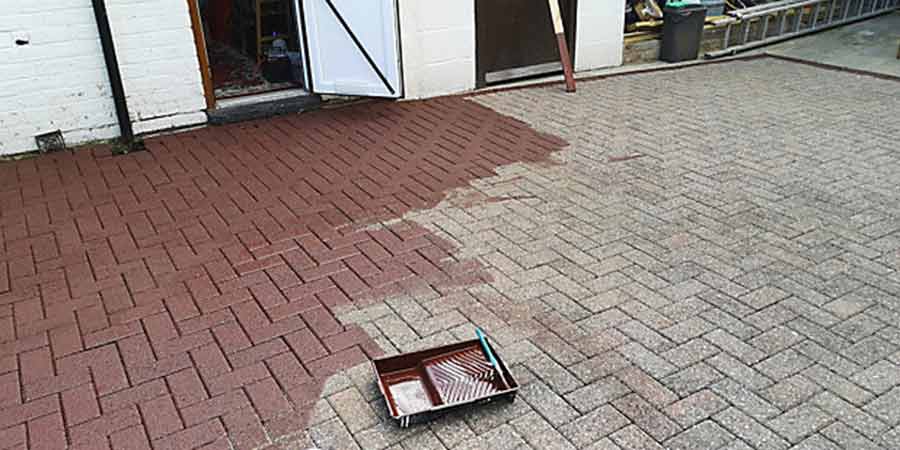
In conclusion, the evidence suggests that spraying is the preferred method for applying paver sealers, as it can provide more consistent and complete coverage, allowing the sealer to soak into the sand joints more effectively compared to rolling. However, the choice of application method may also depend on the specific sealer being used, as some sealers may need to be rolled rather than sprayed.
For those in the Newark area who are looking to seal their block paving, the team at Block Paving Newark can provide expert advice and assistance.
With their years of experience and commitment to quality workmanship, they can help ensure your paving is properly sealed and protected for years to come. You can reach them at 07595 510190 to discuss your paving needs.
While spraying may be the preferred method in many cases, it’s important to carefully consider the type of sealer being used and the specific requirements of your paving project. By working with a trusted paving specialist like Block Paving Newark, you can be confident that the right application method will be used to achieve the best possible results.
Contact us today on 07595 510190 to receive a free quote for your Dropped Kerb, Tarmac, Resin, Concrete or Block driveway project.
Source Links
- http://brickdoctorbill.blogspot.com/2009/08/
brick-paver-sealing-spraying-vs-rolling.html - https://surfacelogix.net/blogs/
surfacelogix-blog/what-is-better-for-driveway
-paver-sealers-rolling-or-spraying - https://www.covertecproducts.com/
how-to-seal-pavers/
In the realm of block paving, the perennial battle against weed growth has long been a thorny issue. Despite its Read more

Are you looking to breathe new life into your block paving and give it a fresh, revived appearance? Follow these effective tips Read more

Welcome to our guide on filling gaps in block paving. If you have block paving on your property, it's important to maintain it Read more