

Have you ever looked at your once-vibrant block paving or driveway paving and felt it had lost its luster? Fear not, there are several ways to revive the appearance of faded patio paving, permeable paving, and paving stones without having to replace them entirely. The secret lies in understanding the composition and weathering of these landscaping materials, as well as the various techniques available for paving designs, paving installation, and paving maintenance.
But the real question is, how can you make your pavers look brand new again? From cleaning and sealing to staining and adding decorative borders, there are several practical solutions that can breathe new life into your paving blocks, interlocking pavers, brick pavers, and garden paving. Uncover the secrets to reviving your landscaping pavers, paving slabs, and brick paving in this comprehensive guide to hardscaping and brickwork restoration.
Understanding the Composition and Weathering of Pavers
When a concrete paver is made, it is a mixture of aggregates, medium-sized small size, sand, and Portland cement. The Portland cement is the powder that provides the colour. As the paver weathers, the Portland cement containing the colour starts to deteriorate, and the underlying aggregate becomes exposed.
This is caused by rain, which washes away the finer material from the surface of the paver. Pavers under an overhang or roof will show less exposed aggregate compared to those further out in the yard or driveway.
The colour of the paver also plays a role in how it will react to sealing. Vibrant colours like reds, oranges, greens, and blues will typically see more enhancement when sealed, as the sealer brings out the rich, vibrant tones. Earth-tone colours like tans and greys, on the other hand, are intended to have a more natural, organic look, so the colour enhancement from sealing will be less dramatic.
The age and previous maintenance of the pavers will also affect the results of sealing, with older, poorly maintained pavers showing a more dramatic difference before and after sealing.

| Paver Composition | Paver Weathering | Paver Colour |
|---|---|---|
| Mixture of aggregates, medium-sized small size, sand, and Portland cement | Portland cement containing the colour starts to deteriorate, exposing the underlying aggregate | Vibrant colours like reds, oranges, greens, and blues see more enhancement when sealed, while earth-tone colours like tans and greys have a more natural, organic look |
Reviving Faded Block Paving
To restore faded block paving, the first step is to thoroughly clean the pavers using a pressure washer or high-pressure hose attachment. This removes any dirt, moss, or stains on the surface. Once the pavers are clean and dry, it’s important to check their condition and make any necessary repairs, such as relaying uneven pavers or replacing damaged ones.
The next step is to fill the gaps between the pavers with polymeric sand, which helps to hold the pavers in place and prevent weed and insect infiltration. Finally, the pavers should be sealed with a paver sealant, which enhances the colour, protects against UV rays and weathering, and helps to prevent oil and dirt penetration. Pavers should be resealed every 3-4 years to maintain their appearance and protection.
| Task | Benefits |
|---|---|
| Block Paving Restoration | Revives the appearance of faded pavers, protects against weathering, and enhances the overall aesthetic of the outdoor space. |
| Paving Cleaning | Removes built-up dirt, moss, and stains, preparing the surface for further paving maintenance. |
| Paving Sealing | Safeguards pavers against UV rays, weathering, and penetration of oils and dirt, maintaining their vibrant appearance. |
| Paving Repairs | Ensures the structural integrity of the paved surface, addressing any uneven or damaged areas. |
By incorporating these block paving restoration steps, homeowners can revive the look of their outdoor spaces and protect their investment in quality hardscaping. For expert guidance and assistance, it’s recommended to consult a local paving contractor in Newark, such as Block Paving Newark, who can provide a comprehensive assessment and tailored solutions.
Conclusion

Restoring the appearance of faded block paving requires a comprehensive approach, involving thorough paver cleaning, necessary paver repairs, and the application of a protective paver sealant. By understanding the composition and weathering of pavers, as well as the impact of colour and previous maintenance, homeowners can make informed decisions about the best way to revive their outdoor block paving.
Regular block paving maintenance, including cleaning, repairing, and resealing, is the key to keeping pavers looking their best and extending their lifespan. Consulting with a professional paving contractor, such as Block Paving Newark, can help ensure the job is done correctly and that the pavers are properly cared for over time.
With the right techniques and attention to detail, faded paver restoration can breathe new life into your outdoor hardscaping, creating a vibrant and welcoming space for years to come. By investing in the proper paver sealing and maintenance, you can enjoy the beauty and durability of your block paving for many seasons ahead.
Contact us today on 07595 510190 to receive a free quote for your Dropped Kerb, Tarmac, Resin, Concrete or Block driveway project.
Source Links
- https://mortarcity.com/how-to
-restore-color-on-faded-pavers/ - https://www.perfectpaverco.com/
will-sealing-my-pavers-make
-them-look-brand-new-again/ - https://hicofsi.org/how-can-i-make
-my-dingy-pavers-look-new-again/

{Why is imprinted concrete a great choice for paving in Newark-on-Trent?|Why Imprinted Concrete is a great option for pavers in Read more
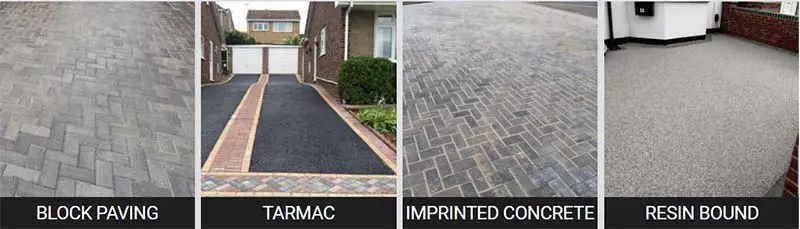
{Tarmac, Block Paving or Concrete, or Resin Bound.|Tarmac, block Paving, Concrete, Resin Bound.|Tarmac or Block Paving? Concrete or Resin Bound?|Tarmac Read more